

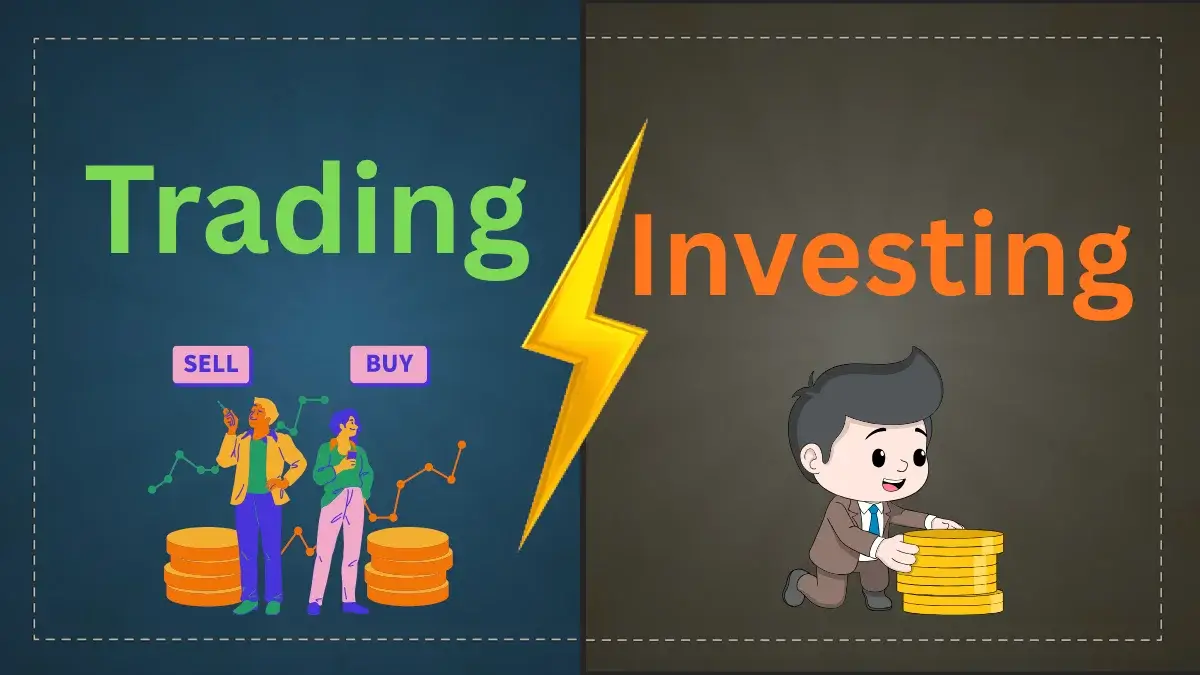
Understanding Trading vs Investing – Simple Difference for Beginners is the first step toward making smart financial decisions. Many people enter financial markets hoping to earn quickly, but they often confuse these two approaches. Trading focuses on short-term gains, while investing builds wealth slowly over time.
If you’re just starting, knowing this difference can save you from costly mistakes. Trading involves quick decisions based on stock price movements, while investing follows a calm long-term investing approach. Both methods aim for profit, but they require different skills, mindsets, and patience.
In this guide, you’ll learn how each method works and which one suits you best. Whether your goal is fast income or steady capital growth, understanding these basics will help you choose a clear path and build a strong wealth building strategy.
What is Trading vs Investing? (Quick Overview for Beginners)
The Trading vs Investing – Simple Difference for Beginners mainly depends on time and strategy. Trading focuses on short-term trading and quick profits. Investing focuses on long-term investing and steady capital growth. Both happen in financial markets and require smart decisions.
If you are confused about which path to follow, you are not alone. Many beginners struggle here. Understanding this difference between trading and investing helps you avoid mistakes and choose a proper wealth building strategy that fits your lifestyle and goals.
What is Trading? (Easy Explanation)
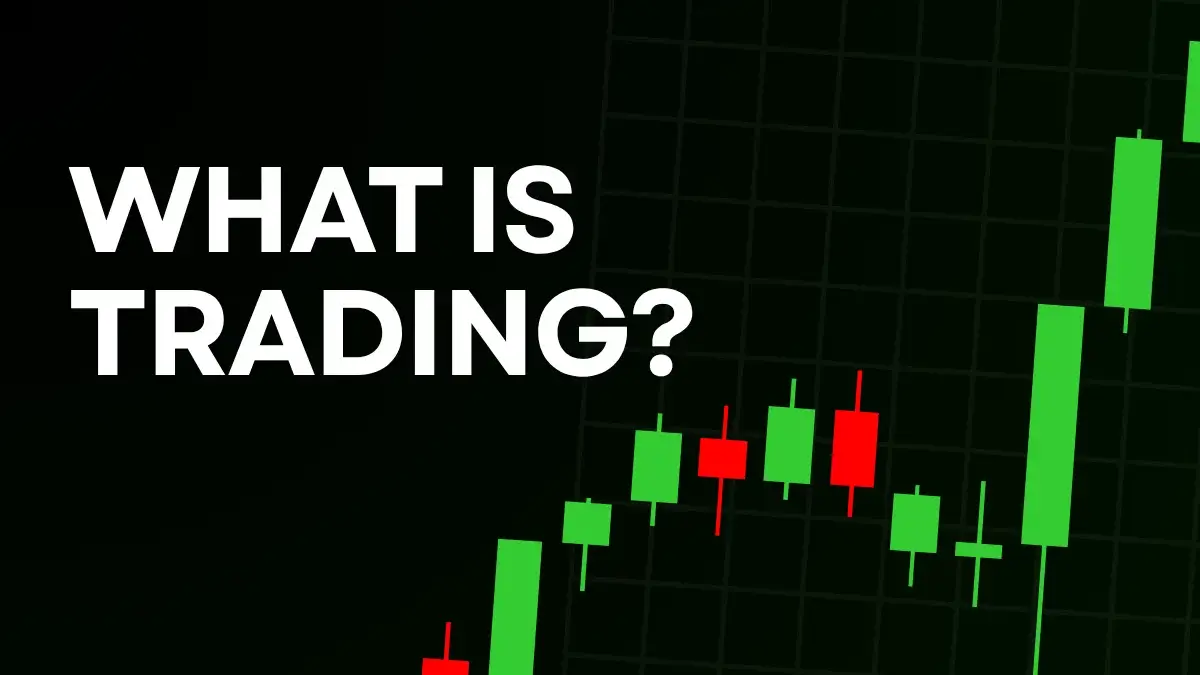
Trading means buying and selling trading assets quickly to earn profit from stock price movements. Traders depend on technical analysis, price charts, and market trends to predict short-term price shifts. This method is fast but requires focus and quick decision-making.
Think of trading like flipping products for profit. You buy low and sell high within a short time. Traders rely on entry and exit points, stop-loss orders, and strong risk management strategies. Without emotional discipline and proper planning, losses can happen quickly.
How trading works
Trading works by analyzing charts and reacting to market movements. Traders study market sentiment, follow economic data analysis, and use strategies to catch opportunities. However, trading psychology, including revenge trading, confirmation bias, and overconfidence in trading, plays a big role in success.
What is Investing? (Beginner-Friendly Guide)
Investing is a long-term approach where you buy investment assets and hold them for years. This method focuses on time in the market instead of market timing. Investors build a diversified portfolio using stocks, real estate, and funds.
Imagine planting a tree and waiting for it to grow. That’s investing. You rely on compounding returns, dividend income, and steady growth. Most beginners in the USA prefer passive investing because it reduces stress and builds wealth over time.
How investing works
Investing works by choosing strong assets based on fundamental analysis, earnings reports, and company performance. Investors often use dollar-cost averaging and focus on long-term financial goals. Strategies like growth investing and value investing help identify assets with strong intrinsic value.
Trading vs Investing – Key Differences Explained
The main idea of Trading vs Investing – Simple Difference for Beginners is understanding how these approaches differ. Trading is fast, risky, and requires constant attention. Investing is slow, stable, and focuses on long-term growth.
Below is a simple comparison table to understand better:
| Factor | Trading | Investing |
|---|---|---|
| Time | Short-term | Long-term |
| Risk | High | Moderate |
| Strategy | Active trading | Buy and hold strategy |
| Focus | Market timing | Time in the market |
| Goal | Quick profits | Wealth building strategy |
This investing vs trading explained table shows why beginners should think carefully before choosing. Your risk tolerance and available time matter the most.
Time horizon (short vs long)
Trading focuses on quick moves and short-term price shifts. Investing focuses on years of holding. Traders depend on speed, while investors depend on patience and portfolio diversification for stable capital growth.
Similarities Between Trading and Investing
Even though they are different, both methods share similarities. Both happen in financial markets and aim for profit generation. Both require knowledge, planning, and risk control to succeed.
Also, both carry risk. Market volatility can affect traders and investors alike. Whether you trade daily or invest for retirement investing, you must understand how markets behave and protect your money.
Both involve financial markets
Trading and investing both involve buying and selling assets like stocks, crypto, and commodities. Success depends on understanding market trends and making informed decisions.
Types of Trading and Investing Strategies
There are many strategies in both trading and investing. Traders use active trading methods like scalping, day trading, and swing trading. These focus on quick profits from price changes.
Investors use investing strategies for long term such as building a diversified portfolio with ETFs (exchange-traded funds), mutual funds, and bonds and stocks. These methods focus on steady growth and lower risk.
Trading styles and investing strategies
Trading includes fast-paced styles, while investing focuses on stability. Both require planning, discipline, and proper risk management strategies to succeed in different conditions.
Benefits of Trading vs Investing
Both approaches offer benefits of trading and investing. Trading can generate quick income if done correctly. Investing builds wealth slowly but safely using long-term investing strategies.
Many experts suggest combining both. You can invest most of your money and use a small portion for trading. This approach balances risk and profit opportunities.
Advantages of both
Trading offers speed and flexibility. Investing offers stability and long-term security. Choosing the right method depends on your goals and experience.
Risks in Trading and Investing (Must Know)
Understanding risks of trading vs investing is very important. Trading has higher risk due to fast changes in prices. Investing also carries risk, especially during market crashes.
Emotions play a big role here. Fear and greed can lead to bad decisions. That is why emotional discipline and proper planning are necessary in both approaches.
Market volatility and emotional decisions
Market volatility affects both traders and investors. Sudden changes can cause panic. Staying calm and following a plan improves your chances of success.
Trading vs Investing – Which is Better for Beginners?
When people ask which is better trading or investing, the answer depends on personal factors. If you have time and experience, trading may work. If you prefer stability, investing is better.
Most beginners in the USA start with investing because it is simpler and safer. Over time, they may explore trading after gaining knowledge and confidence.
Based on time, budget, and risk
If you have limited time, choose investing. If you can monitor markets daily, trading may suit you. Always consider your risk tolerance before making a decision.
How to Start Trading or Investing (Step-by-Step Guide)
Starting is simple but requires patience. First, choose a reliable platform. Then create an account, deposit funds, and start small. Learning is more important than earning at the beginning.
For example, platforms like Binance allow easy access to markets. However, beginners should focus on understanding basics before risking large amounts.
Choosing a platform and setup
Choose a trusted platform, secure your account, and start with small investments. Learn slowly and avoid rushing into big trades without knowledge.
Final Thoughts – Trading vs Investing
The Trading vs Investing – Simple Difference for Beginners comes down to your goals. There is no single right answer. Both methods can work if used correctly.
For most people, investing is the safer path. It builds wealth slowly and requires less stress. Trading can be added later once you gain experience. Stay consistent, stay patient, and focus on long-term success.
FAQ’s
Which is best for beginners, trading or investing?
Investing is better for beginners because it is safer, requires less time, and focuses on long-term growth instead of quick risky profits.
Can I make $1000 per day from trading?
Yes, but it’s very difficult and risky. Most beginners lose money, so consistent profits require experience, strategy, and discipline.
How much money do I need to invest to make $3,000 a month?
It depends on returns, but typically you need around $300,000–$500,000 invested with steady returns to generate that income.
What is the best stock to put $1000 in right now?
There’s no single “best” stock. Beginners often choose strong companies or ETFs for safer, diversified long-term growth.
